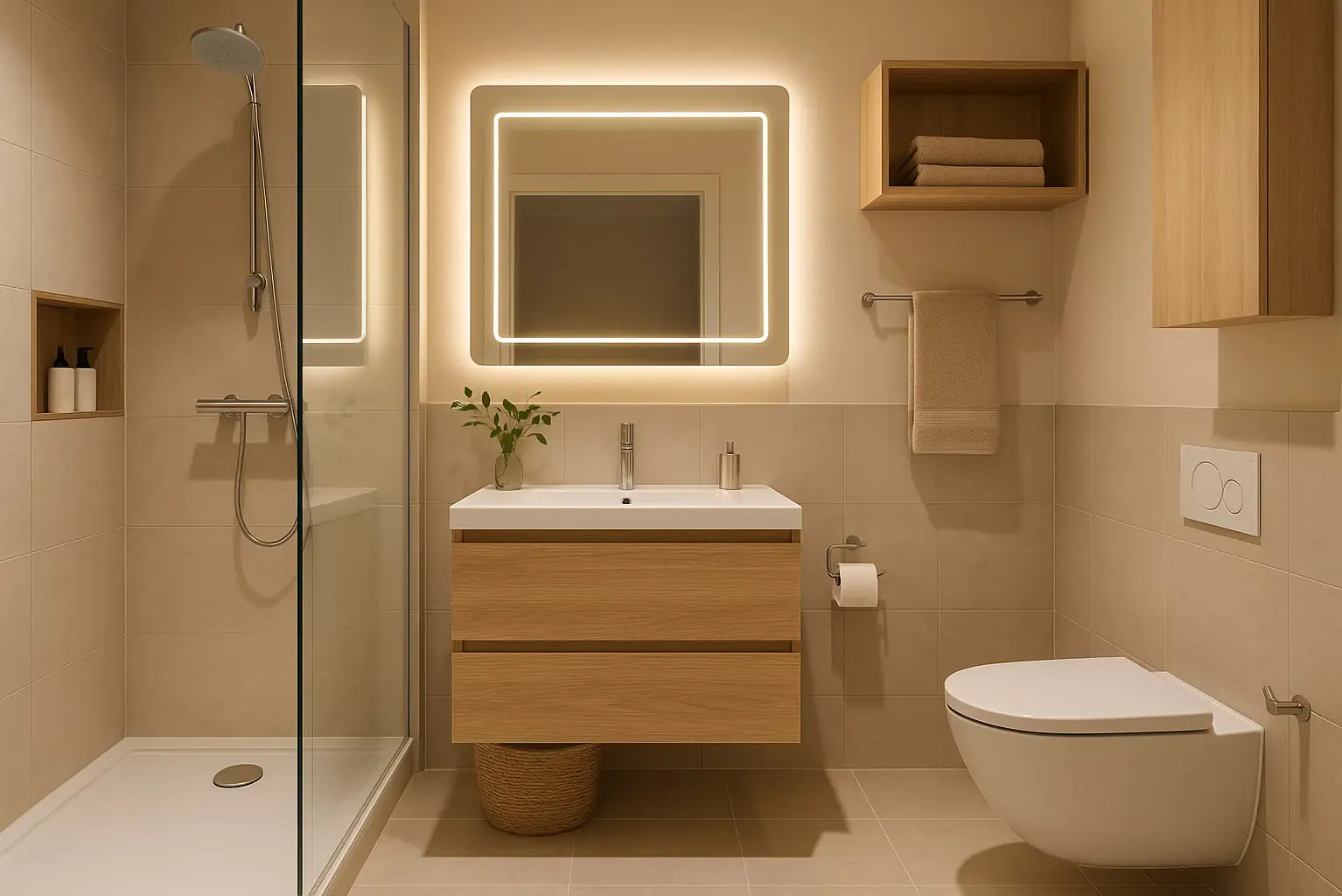
Small Bathroom Flooring Ideas: 8 Tile Tips for More Space

Which tile colors, sizes, finishes and patterns make a small bathroom look larger, and where each idea can backfire.
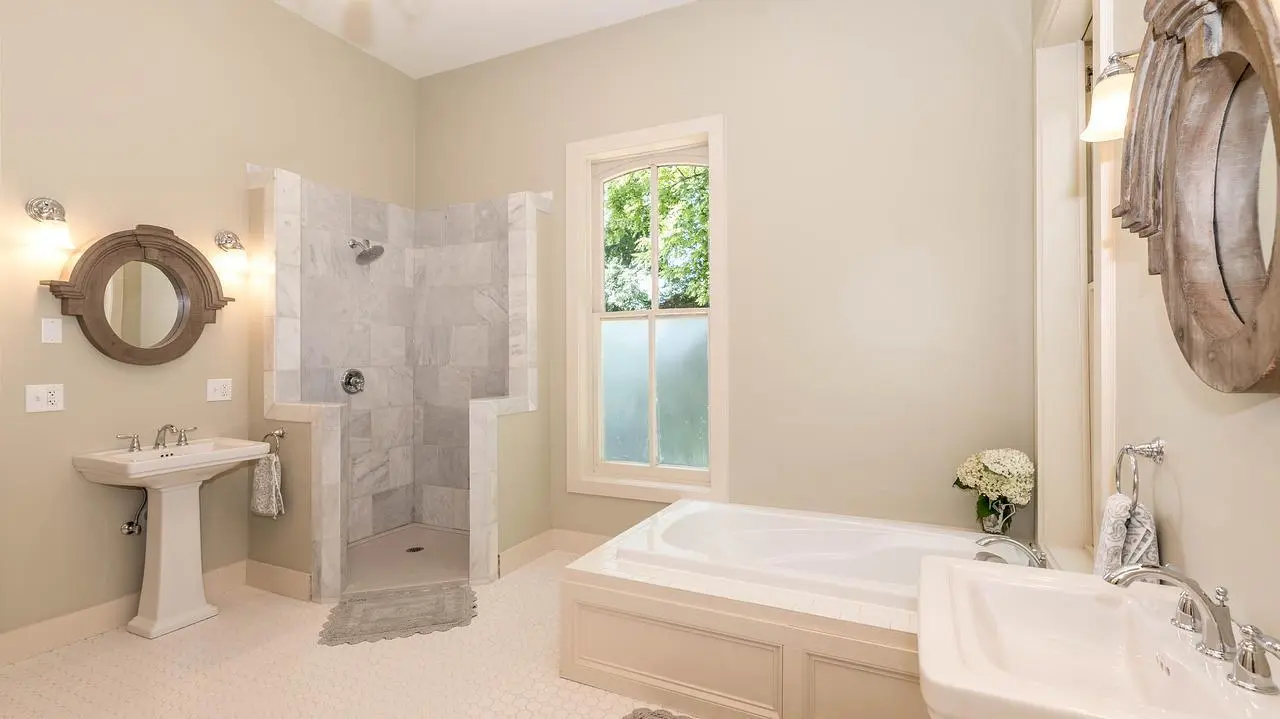
The bathrooms on TV and in films have a freestanding tub, a high ceiling and a lot of marble. Yours probably has much less floor than that. It can still look good, and the choice of materials is wide: natural wood laminate, porcelain tile, rubber slate. These small bathroom flooring ideas show which choices make the room look larger and which make it look smaller.
In a small bathroom, the floor and the walls are most of what you see. A well-chosen tile, even a bold wood-look one, gives the room style and makes it look larger. The wrong design does the opposite, and tile is hard to undo once it is laid. The eight ideas below cover color, tile size, neutral and monochrome schemes, patterns, reflective finishes and floor-to-ceiling tile.
Which color floor tile works for a small bathroom?
Light tones, mixed with a second soft color. Light tiles make a small room look larger, but white alone on every wall and on the floor reminds people of a clinic. It also does not make the room look larger. It only makes it brighter.
Pair white with one soft color. These colors work well next to white tile:
- light blue or blue;
- muted green or light green;
- light yellow or pale lemon;
- peach;
- lavender;
- sand;
- terracotta;
- pearl gray.
Add a dark accent, if you choose the shade carefully. Muted dark blue or marsala adds depth to a small bathroom and does not change how the shape of the room reads. The trade-off: limescale shows on dark tile, so it needs more careful cleaning.
Should you use large or small tiles in a small bathroom?
Both work, for different reasons. Large tiles look calm, and small tiles give you more design options but can look busy. The size to avoid is the oversized one.
Bathroom tiles range from tiny mosaics to slabs that can be several meters long. Very large concrete or granite tiles are a poor fit for a small bathroom. You have to cut them often, which creates a lot of waste and can break the pattern or the style. There is no strict rule, though, so the final choice is yours.
Large tiles for calm. Large bathroom tiles, usually 30 to 60 cm, create a sense of calm that suits a room with little space. Choose square tiles in neutral colors such as white or wet gray. A rectangle is the other shape to consider.
Small tiles and mosaics for style. Small tiles fit a small bathroom too, but they can make it feel crowded. To avoid that, keep them in light shades and skip small tiles with heavy patterns. Mosaic is probably the most popular choice, for example as a wall around the tub or the sink. Mini composite tiles that look like brickwork are in trend now, and their small versions suit small bathrooms and toilets. In general, small tiles give you more room for style and design.
Light, neutral or monochrome schemes
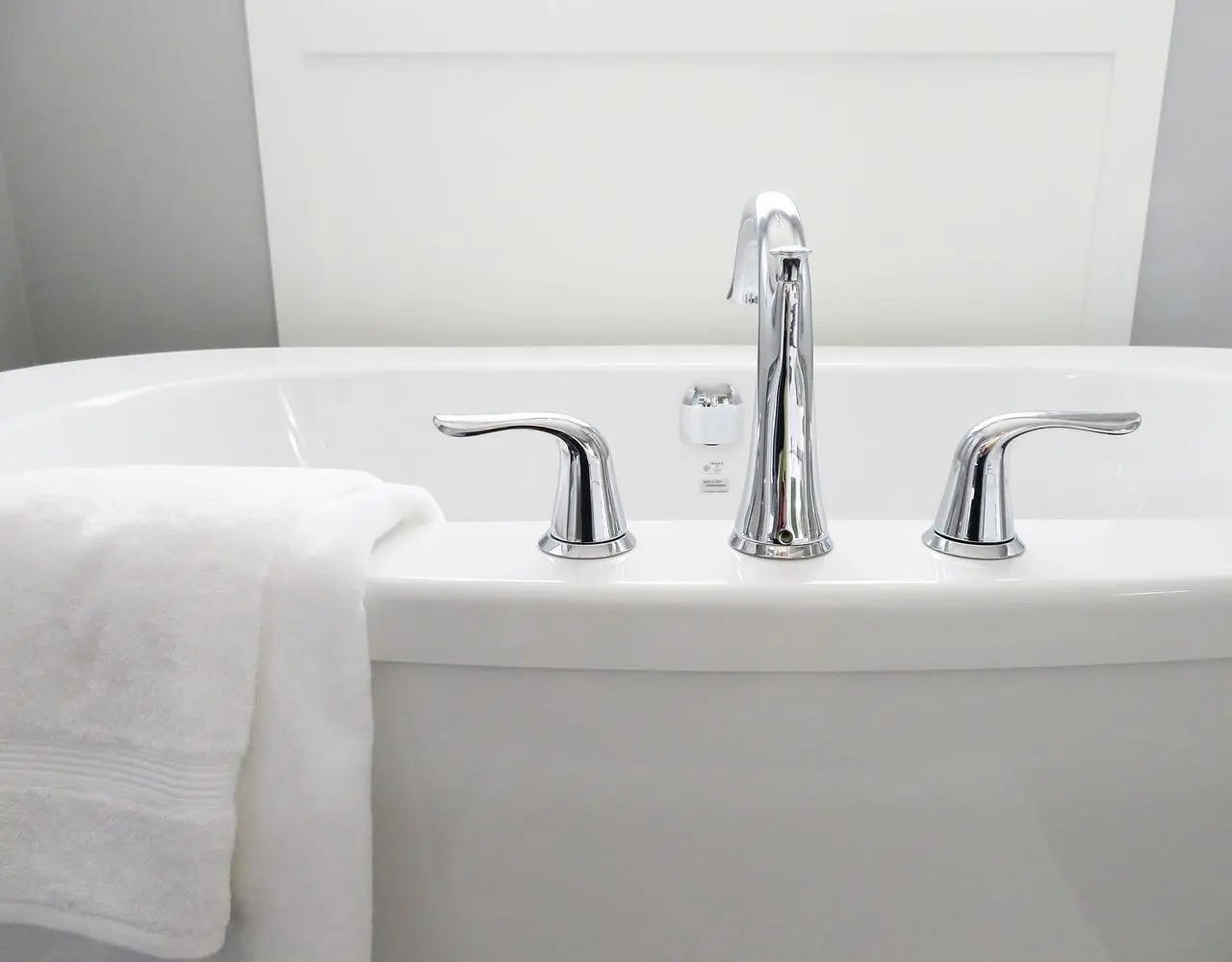
The color of the tile changes how large a small bathroom looks. Most people choose white, cream or light gray, although many small bathrooms look good in darker shades.
Use a neutral scheme. Neutral colors keep the room calm and clean-looking, and that helps in a small space. A neutral tile scheme makes the room look larger. It also suits a future buyer, if you ever decide to sell your apartment or house.
Or go monochrome. One color in several tones is easy to get right, and it looks good in a small room.
Can you use patterned floor tiles in a small bathroom?
Yes, in a limited area. Ornate tiles can overload a small bathroom, so use this popular style with care.
Put the pattern on one wall. One of the simplest ideas for small bathrooms and toilets is a single wall of ornamented tiles. Your guests will notice it, and the rest of the room stays plain.
Reflective finishes: gloss, glass, mirror and stone
In a small bathroom, light decides whether the room looks smaller or larger than it is. Reflective surfaces spread the light evenly through the room.
Choose a reflective finish. For small tiles, consider a glossy, glass or mirror finish. Gloss makes the room brighter. Glass and mirror finishes make it feel larger.
Or choose marble or stone. Some marble bathroom tiles have a light gloss, and some do not. Light marble gives the room an elegant look. Stone tiles are popular too: a stone tile in a neutral shade works on both walls and floors. Whatever the finish, make sure the tile is waterproof.
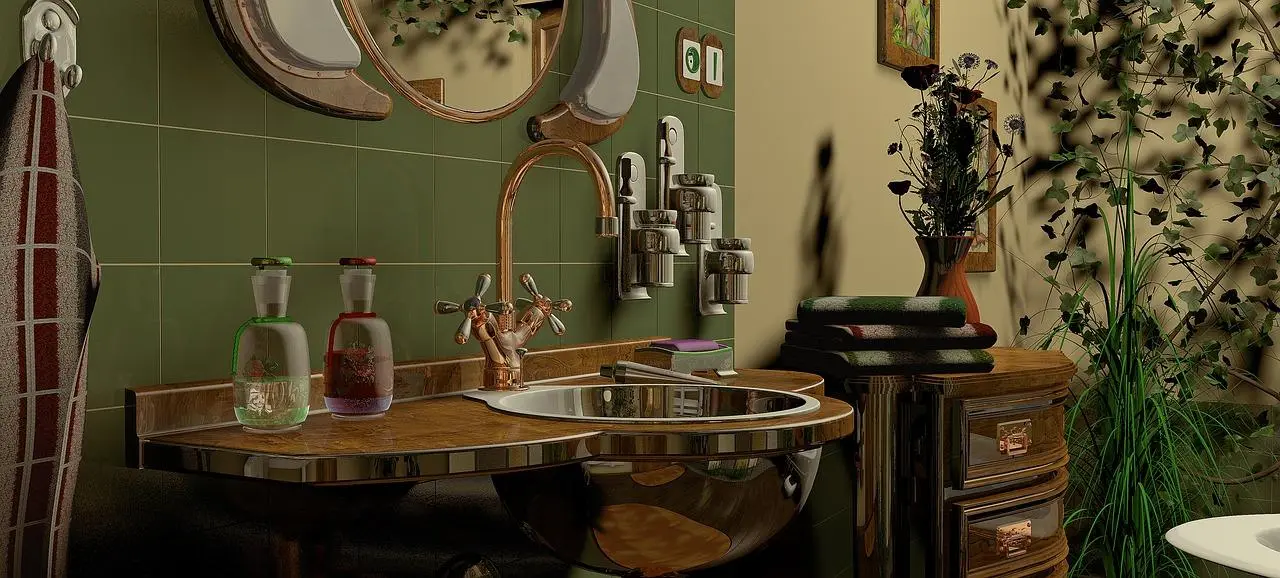
Should you tile floor to ceiling in a small bathroom?
Yes, if the room feels closed in. The same tile from the floor to the ceiling creates a sense of continuity, and the room feels more spacious.
A small space can easily feel tight. That is unpleasant for anyone, and more so for people who feel uncomfortable in small rooms. Continuous tile is one fix for that feeling, and it also gives the bathroom a brighter look.
What to remember
- Light, neutral colors keep a small bathroom from feeling closed in.
- Tile size matters less than color, but keep very large tiles for large rooms.
- Reflective surfaces spread light evenly and make the room feel larger.
- Patterned tiles belong on one separate wall.
- The same tile from floor to ceiling makes the room feel more open.
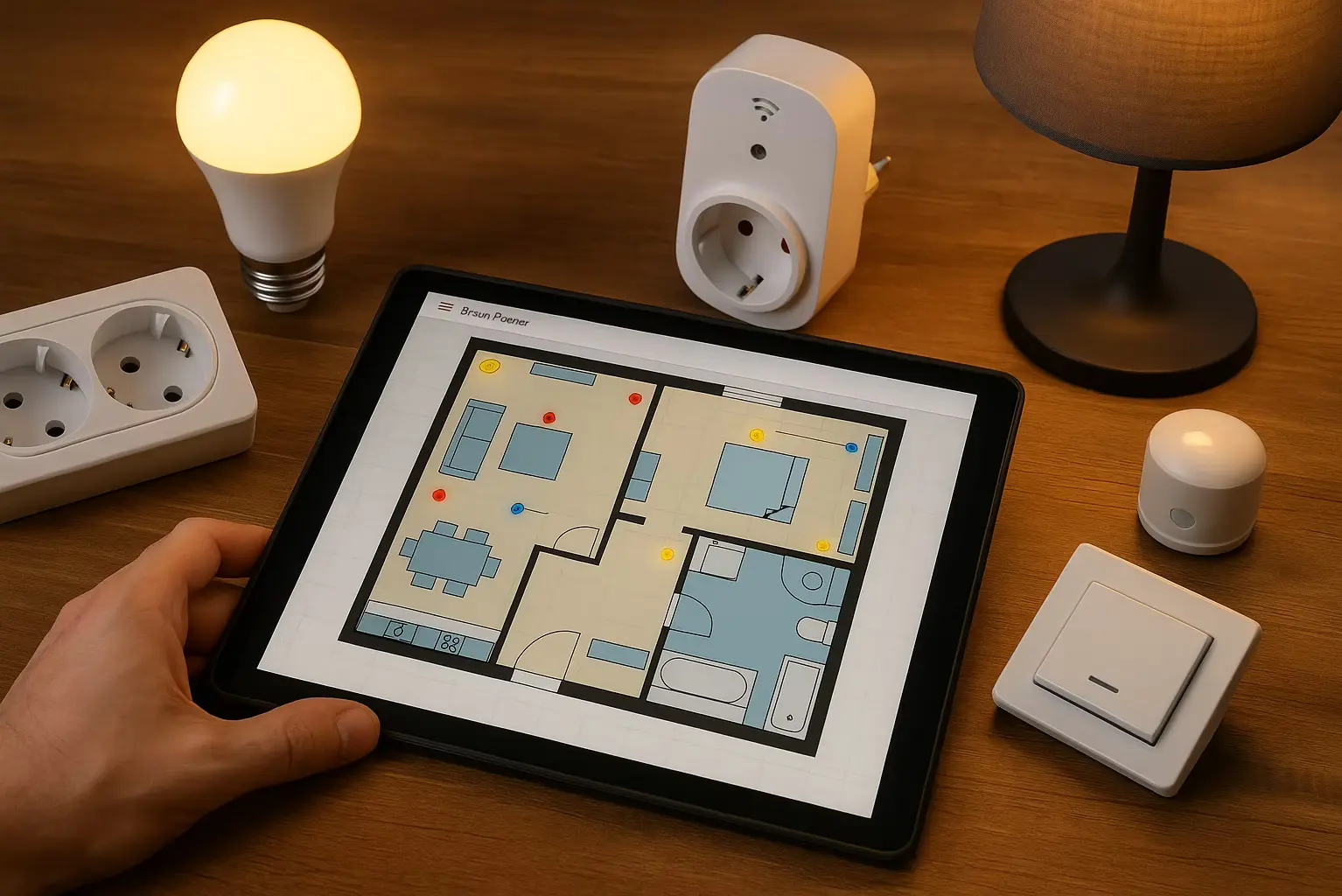
Tile is hard to change once it is down, so it pays to see it before the renovation starts. Draw your bathroom in Home Planner and choose the flooring on your own plan first. In the same app you can measure the room, see it in 2D and 3D, furnish it with products from real brands, render the finished room, and start from a ready-made bathroom, bedroom or living room layout.
Try it on your own project
Free room planner and interior design app