Comforting Chaos Interior Design: The 2026 Trend of Curated Imperfection

What the comforting chaos trend means, where it comes from, and how to mix furniture, layers and decor without turning your room into clutter.
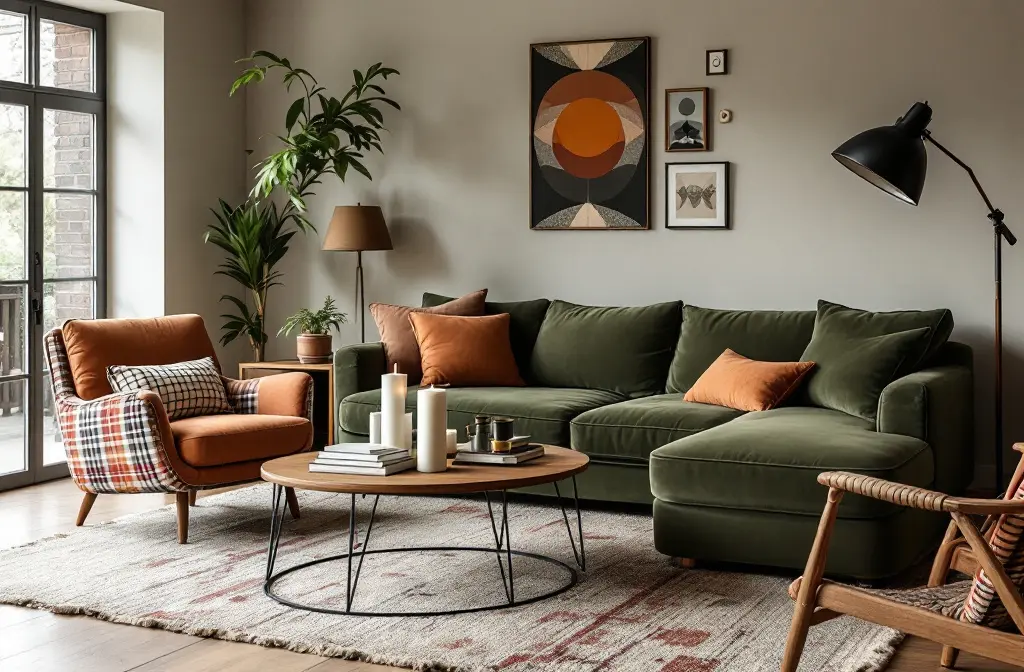
Look at your living room: mismatched cushions, a few things from your grandparents, the odd lamp you bought on a trip. None of it matches, yet it feels familiar and calm. That feeling has a name now: a comforting chaos interior, the breakout trend of 2026.
Is it just clutter with a nicer name? No. Below: what it means, where it comes from, and how it changes a room from the sofa to the shelves.
What does comforting chaos mean?
It means imperfection you choose on purpose: mismatched, personal things that make you happy at home, in a room that feels calm, not messy.
Notifications and to-do lists fill the day, and a staged home does not help you rest. The trend puts how you feel before symmetry that looks good on Instagram.
Designers expect it to peak in 2026. In the 2010s, minimalism meant white walls, empty shelves and "less is more". After the pandemic, 2025 moved to maximalism: bold patterns and many layers. The next step is softer and more personal.
A lived-in room is also easier to live with: nothing in it has to stay perfect. With economic uncertainty and hybrid work, people want a home that helps them recover and shows who lives in it.
Where did the comforting chaos trend come from?
It grew out of a reaction against minimalism, through quiet luxury and the maximalism of 2025. The Marie Kondo era told people to keep only what sparks joy, and many threw out most of their things. That started the reaction.
- 2023: quiet luxury added the first hints of texture.
- 2025: "shambolism" (shabby + symbolism) went further, with pattern-drenched rooms and vintage mixes. The colours were rich jewel tones.
- 2026: comforting chaos refines this into "jolie laide" (beautiful ugliness). Asymmetry and small surprises give a room character, and muted, muddy colours keep the mix calm.
Two forces drive the change: sustainability (reuse the odd pieces you own) and screen fatigue (people want warm, physical things). The result is a home that changes with you.
Is your messy corner already part of the trend? Check it against furniture, design principles and decor.
Can mismatched furniture look cohesive?
Yes. Mix periods and shapes, and let comfort and a calm, muddy palette hold them together.
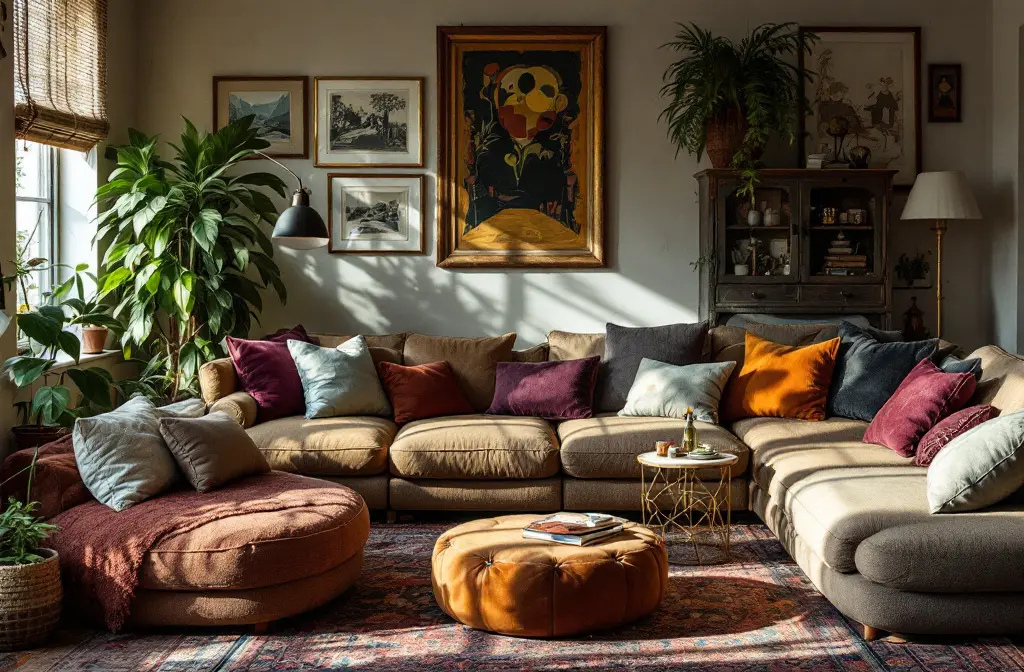
What: forget matching sets. Start with "fat furniture": a plump, oversized sofa in velvet or bouclé that invites you to lie down. Put a mid-century armchair next to a rustic wooden stool, so the room looks collected over time. Choose imperfect shapes, such as a table with wavy legs. These "huggable" forms grew out of the sculptural furniture of 2025, with comfort before form.
Why it works: mixed furniture is used in more ways. The coffee table can also be the place where the family does a puzzle together.
The trade-off: an oversized sofa takes a lot of floor space. In a small room, choose modular pieces, such as an asymmetrical sectional sofa that you can rearrange when you want a change.
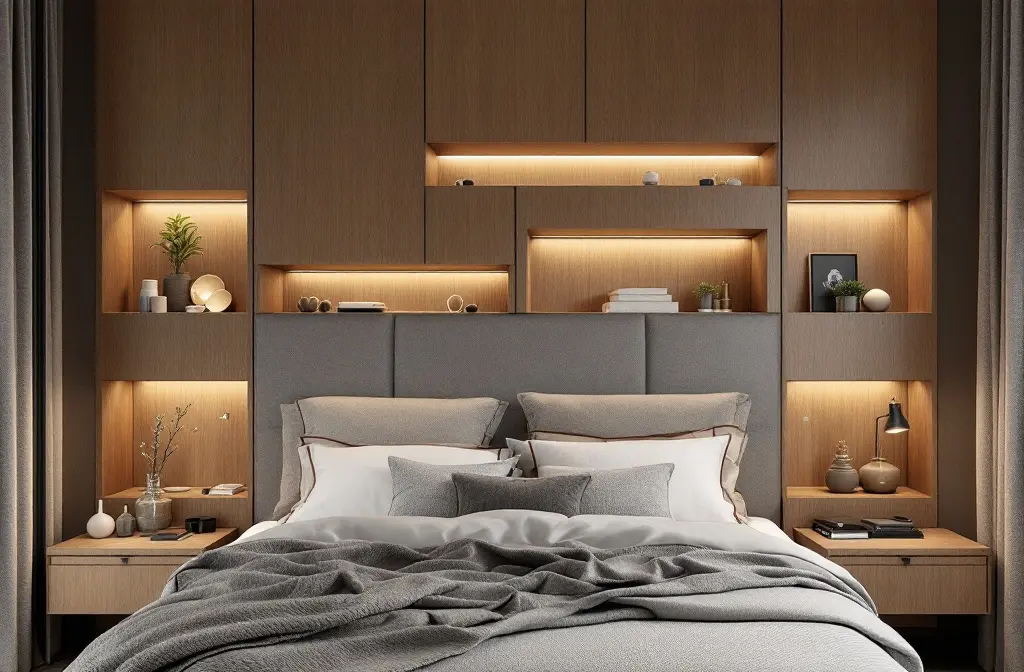
Layering with intention: the design principles
Balanced asymmetry. Hang a gallery wall off-centre, or layer rugs at different angles.
Zone chaos. Give each hobby its own nook. A reading corner can have stacked books and throws that do not match. The disorder stays inside the zone.
Colour. Muddy greens and warm terracotta hold the mix together.
Light. Hang sculptural lamps at different heights for changing shadows and a lived-in feel.
Unlike the material drenching of 2025, these principles tell your own story, and that gives a sense of belonging.
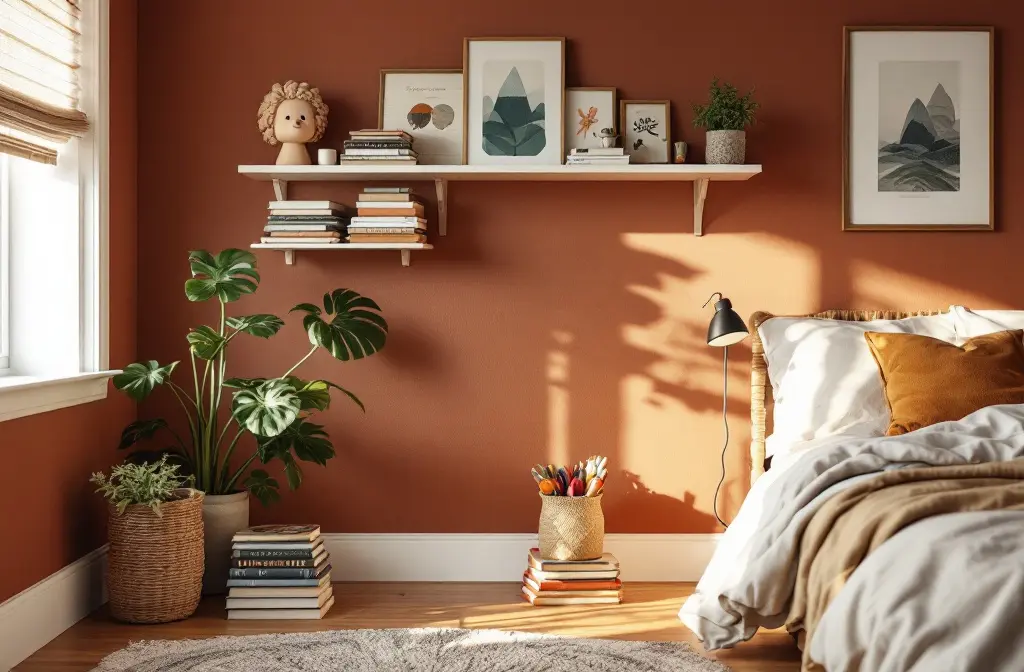
Terracotta walls and a mix of art prints, books and plants on one shelf: the warm colour holds the many objects together.
How do you keep a curated chaos interior from looking like clutter?
Edit hard. Keep the pieces that tell your story and remove the rest.
Decor is the most fun part: a treasure hunt for small objects.
- Group vintage vases with modern ceramics on one shelf.
- Put an embroidered textile over a chair, so there is something to touch.
- Let large plants grow freely from places where nobody expects them.
- Mix frames on one wall: a portrait of your grandmother next to a drawing by your child.
- Make "memory clusters": groups of objects from your travels or from your family.
Textiles also change. The patterns of 2025 give way to handmade weaves with frayed edges.
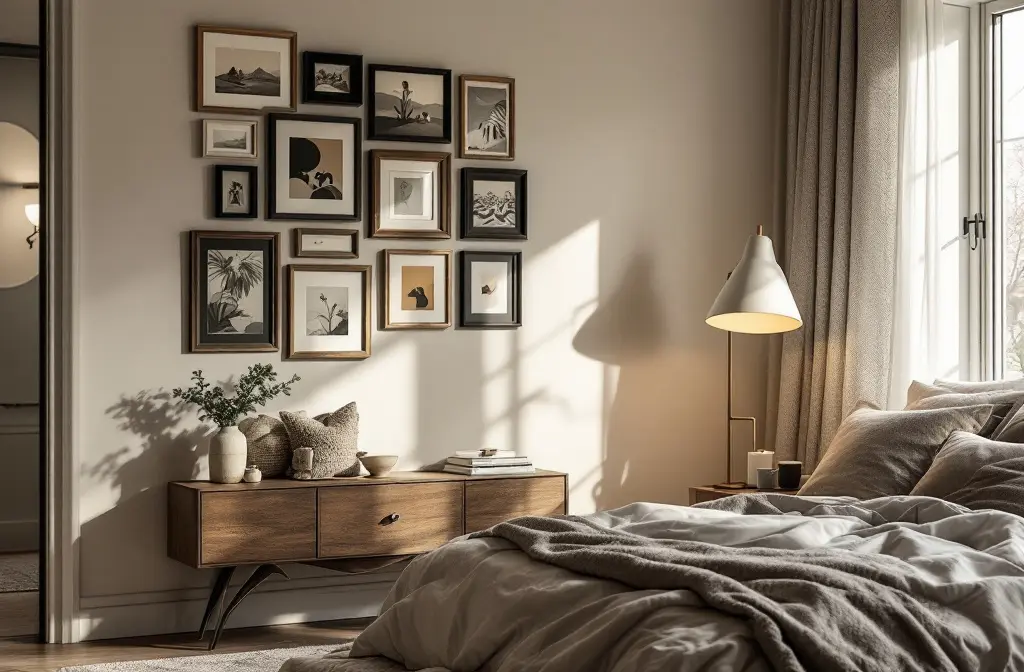
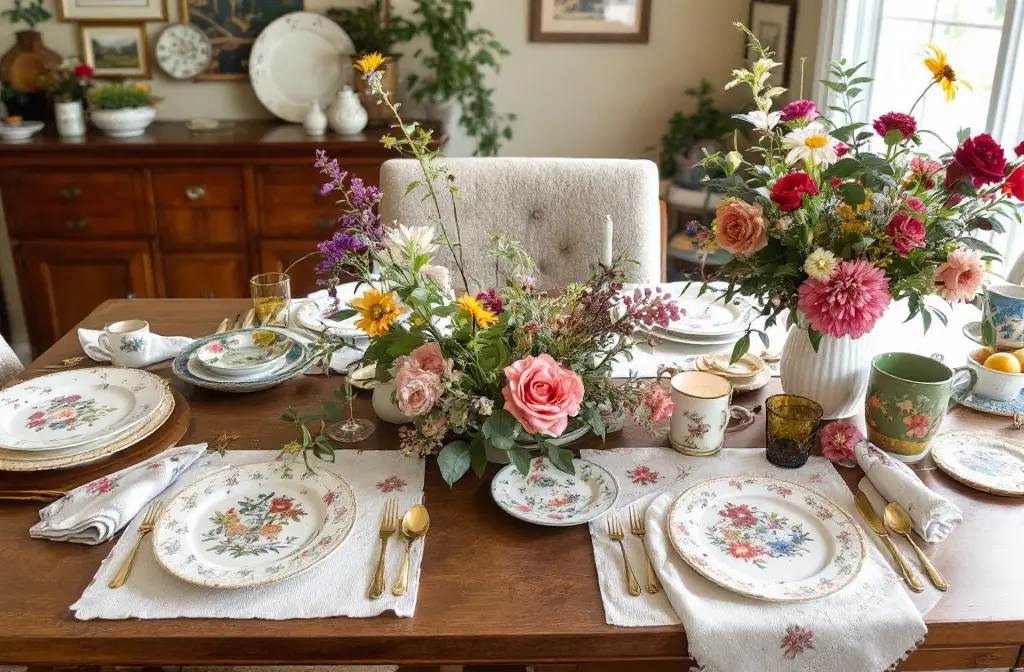
Common mistake: keeping everything. The trend works only when the room is curated, not crowded.
Start with one piece
Comforting chaos is less a trend than a new way to think about home. Start with an audit of your room. Which one mismatched piece could start the change?
Try the mix on your own plan in Home Planner
A mix is hard to judge in your head and easy to judge on your own room. In Home Planner you measure your space and draw a 2D/3D floor plan. Then you furnish it with products from well-known brands, see the room as realistic images, or start from ready-made layouts for a bedroom, bathroom or living room. Try the armchair next to the stool before you buy either one.
Trademark notice. Home Planner is not affiliated with, endorsed or sponsored by Meta Platforms, Inc.; their names and marks belong to their owners. Other trademarks are the property of their respective owners.

Try it on your own project
Free room planner and interior design app