Feng Shui Living Room Layout: 4 Basics and Where the Sofa Goes

The five elements, the bagua map, a color for each sphere of life, the commanding position, and where to put the sofa and the mirrors.
You have moved the sofa again, and the living room still feels wrong. Feng shui gives a reason and a method. It says that energy flows through everything around you, and that this flow affects every sphere of your life, physical and mental. When the flow is disturbed, it works against you.
A feng shui living room layout starts with 4 basics, then the colors, the sofa and the mirrors. This guide takes them in that order.
Feng shui in brief
You have almost certainly heard the name. It sounds Chinese, and it is: feng shui is a tradition from ancient China.
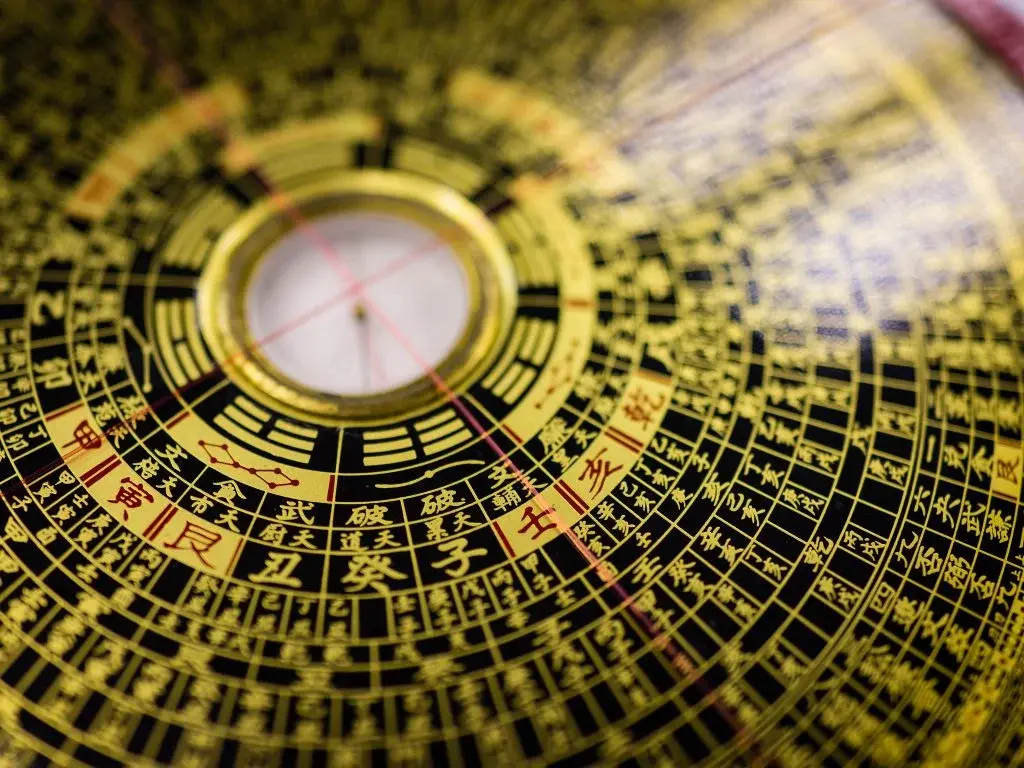
The tradition says that energy flows through everything in our surroundings, the same way it flows through living beings. "Feng shui" translates literally as "wind-water". In the tradition, these two elements carry a universal energy called Qi through every place and building. To let Qi pass the right way, people oriented their homes along these streams, and also places they thought were energetically strong, such as tombs.
At first, feng shui answered big exterior questions. The orientation of a whole building was part of the project, decided before construction. Today it is popular for interiors too. It is most useful when you plan the layout of a house, especially before a renovation.
If you like Chinese style, feng shui interior design gives you one more layer. It chooses decor with the flow of Qi in mind, so each piece has both a symbolic and a visual value.
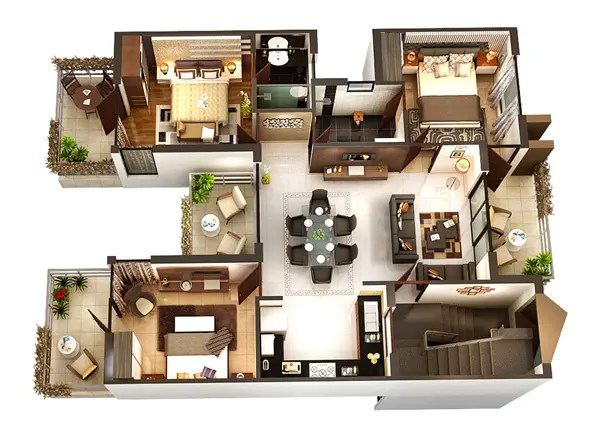
The 4 basics to know first
Feng shui is not only about decoration. To arrange a room, you need its basic terms and rules. You do not have to study every detail of the practice, but keep these 4 points in mind:
- The five elements. Feng shui uses 5 elements of nature. Each one should be present in its own zone of the home.
- The bagua. The bagua divides the space around you into 8 areas. Each area stands for one main sphere of your life. This is the point that shapes the layout of the room.
- Color. Each direction has its own symbolic color. So the direction your house faces matters when you choose a color scheme.
- The commanding position. This is the spot where you spend most of your time in a room.
Get these 4 right, and in feng shui terms you control the flow of Qi in your home. The next sections turn them into decisions for one room.
How do you use a bagua map in the living room?
Divide the room into 8 areas, one for each main sphere of your life. Then choose the sphere you want to improve and give its area the matching color.
In the tradition, each element has its own color and its own sphere of life on the bagua. The list in the next section links the two, so you can read the map as a color plan.
Which feng shui living room colors should you choose?
Start with the walls. The wall color is the main color of the room, and it sets the palette for every smaller detail. Choose it in two steps:
- Find the direction your house faces, and use its colors or combinations.
- Choose the sphere of life you want to improve, and add its colors.
The colors for each sphere:
- strength and cheerfulness – warm orange and red;
- health and contact with the people closest to you – yellow and brown;
- money and family relations – green and brown;
- work and professional growth – blue and black;
- imagination and travel – gray and white (metal).
Color combinations also zone a room and mark its accents. This works best in a large family room. The trade-off: one room cannot carry every sphere at once. Pick one or two, or the zones start to compete.
What is the right feng shui sofa placement?
Put the sofa against a wall, out of the line of the entrances. In feng shui, the sofa holds the dominant, prominent position in a living room, so its position and shape matter more than any other piece.
Avoid an L-shaped sofa. Feng shui says its shape has a bad influence on energy. If you already have one, place a plant where the sofa forms the sharp angle. In general, the main seat of the room should have soft edges.
Plan the other seats too. Feng shui decorating means that everyone sits in comfort. If guests end up on the floor or in other makeshift places, the room is not finished.
Where should a mirror be placed in a living room?
Place it where it reflects the spot where good Qi enters the house, not a mess or the entrance.
In feng shui, a mirror works like the surface of water: it reflects energy and makes it much stronger. So the view in the mirror matters. A mirror that makes the room look larger and brings in more light is also a good choice.
Common mistake: a mirror that faces the entrance where a person stands, or a cluttered corner. The tradition says the mirror makes that energy stronger too. Move the mirror, or clear the corner.
Start with order, then test the layout on your plan
The main rule of feng shui is simple: keep the home clean and in order. Learn the main principles, and the harmony follows from them.
A real sofa is heavy to move just to test a commanding position. To see your ideas first, download the Home Planner App. Measure your space, draw the room in 2D and see it in 3D. Then furnish it with products from world-famous brands, change the wall color to match a bagua area, and make a visualization of the result. You can also start from a ready-made layout for a living room, a bedroom or a bathroom.
Try it on your own plan in Home Planner
Put the sofa against a wall, try two wall colors, and move the furniture in your real room only when the plan feels right.
Try it on your own project
Free room planner and interior design app