Entryway Design Ideas: Styles, Walls and Furniture

Minimalism, classic, loft and neoclassic for your entryway, wall finishes you can wash, and how to choose cabinets, shoe shelves and mirrors.
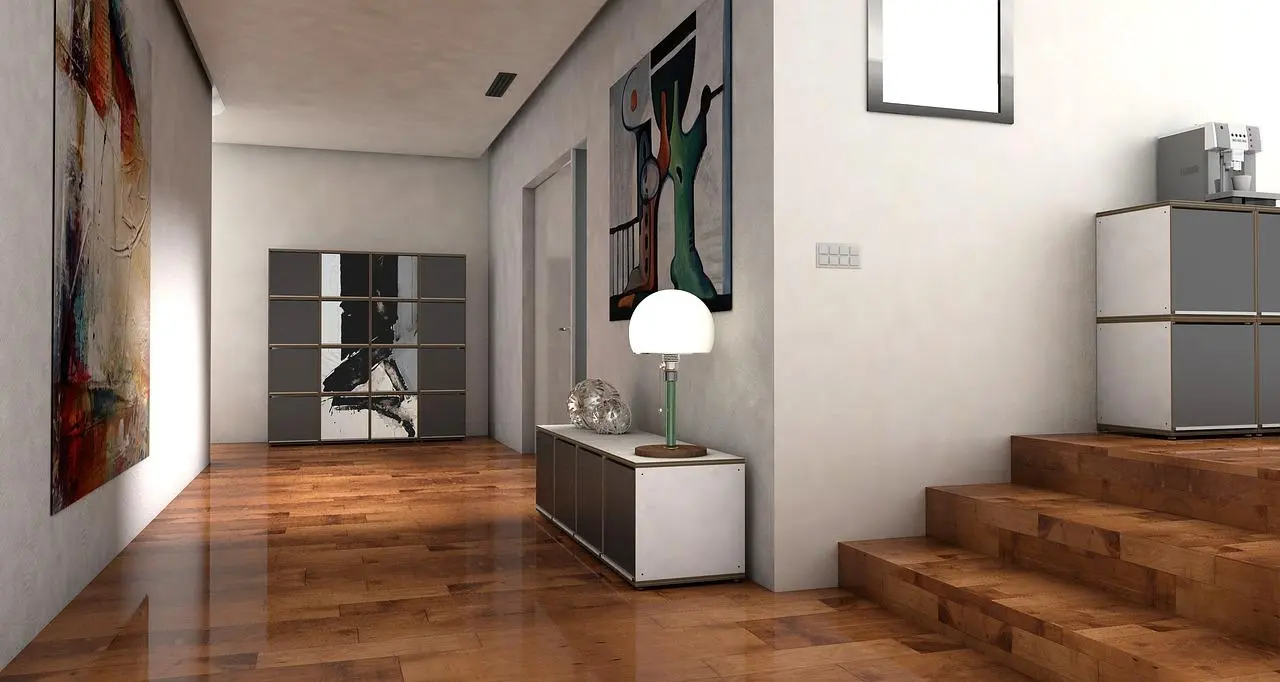
You come home after work, a business trip or a holiday, and the first thing you see is the entryway. Your guests see it first too, and it quickly tells them something about the people who live here, in an apartment, a cottage or a country house.
That is why these entryway design ideas start with what the space has to do, and only then with how it looks. An entryway is where you take off wet shoes, drop your keys and hang a coat. If it is calm and well organised, the whole home feels easier to come back to. With the right approach, even a small corridor can be stylish, cozy and practical at the same time.
The ideas below cover the style, the walls and the furniture. Where a choice has a cost, you also get the trade-off.
Why do modern entryway ideas start with minimalism?
Because minimalism removes everything you do not need, and an entryway has little room to spare. In the last few years this practical style has become a popular choice for the entryway.
Minimalism keeps only the things that do a job. Every item in the room has a purpose, so the space feels open and easy to breathe in. That is why the style suits small areas, and it works in a large entryway too.
What minimalism gives you:
- the space looks bigger;
- there are no items you do not use;
- a calm colour palette of no more than 3 shades.
Furniture: smooth surfaces, functional pieces, built-in where possible. Plan the furniture and the lights together, so they read as one design.
What to leave out: large objects and architectural details, especially in a small entryway.
The trade-off: with so few items, each one is on show. A cheap-looking handle or a scratched cabinet door is hard to hide.
Classic, loft or neoclassic: which style suits your entryway?
Minimalism is not the only option. Classic, loft, neoclassic, Provence, Scandinavian and high-tech styles all work in an entryway too. Choose the style by three things:
- the size and shape of the room: large or small, rectangular, long and narrow, oval or with corners;
- the other rooms: the entryway style should fit the rest of your interior;
- a layout that meets your needs and taste.
Decide early which furniture goes in, and whether you need a rug or other functional decor. The style then tells you what each piece should look like.
Classic: for a large entryway
Classic style rarely goes out of fashion. It needs space, so it is an option for a large entryway. Its main features:
- a solid chandelier of crystal or glass;
- natural materials on the surfaces: wood, stone, cotton, glass, linen;
- warm colours, which make the space look bigger and the home feel cozy.
Loft: brick and open wiring
The sign of a loft is a brick wall, one or more. The brick can be natural, decorative or another material that imitates it. For a loft hallway, designers also suggest:
- a palette of black, grey, white and brown;
- wires, pipes, sockets and switches left in view;
- spotlight-style lamps;
- wooden or metal furniture;
- natural materials on the walls, ceiling and floor.
Neoclassic: a few strong details
Neoclassic keeps the overall design simple and adds a few details that stand out: corner columns, marble busts or small statues, large mirrors in heavy frames. Surfaces are smooth, sometimes glossy, mirrored or reflective.
The trade-off: the effect depends on restraint. Keep the statement pieces few, or the entryway looks like a shop window.
Which entryway wall ideas are easy to clean?
Finishes you can wash: waterproof wallpaper, 3D panels and washable paint. The walls carry less load than the floor and need less cleaning, but water from wet coats and umbrellas still reaches them.
Good choices are:
- waterproof wallpaper, which stays intact when water drips from coats or umbrellas;
- 3D panels, with different textures and patterns, glossy or matte, some imitating natural materials, all easy to clean of dirt, moisture and dust;
- durable paint that stands up to wear and survives washing and brushing.
You can also combine materials, as many modern entryways do. Put the more durable finish at the bottom of the wall: plastic panels or panels of natural materials. From about 1 m above the floor, use wallpaper, fabric or another finish you like.
Which entryway furniture ideas do you need?
Start from the size of the room: how much free floor space you have decides which furniture fits. To make the entryway comfortable, plan for three things first: cabinets, shoe shelves and a mirror.
- Cabinets: choose a sliding-door wardrobe or a built-in cabinet.
- Shoe shelves: open or closed.
- Mirror: on a stand or on the wall.
If there is space, add an umbrella stand, a bench with drawers, a console table, baskets for small things, a key holder, simple hooks, small ottomans or open shelves with modern lighting. If the walls allow it, a practical niche adds storage without taking floor space.
Which small entryway ideas make the space look bigger?
Keep the style minimal, use no more than 3 shades and choose smooth, built-in furniture. Add a mirror: in a small entryway, mirrors visually expand the space.
So the mirror is not only decoration. It is one of the few things that make a narrow corridor feel larger without moving a wall. The same logic applies to the other ideas here: each item either does a job or makes the room look bigger.
Common mistake: choosing a classic style for a small entryway. Its chandelier and heavy materials need a large room.
Test the style on your own plan
A style that looks good in a photo can feel crowded in your own corridor. To see in advance which style you like, draw your entryway in Home Planner and try it on your own plan before you buy anything.
Measure your space, make 2D and 3D floor plans, and furnish the room with products from well-known brands. Make visualisations of the result, or start from ready-made layouts for a bedroom, a bathroom or a living room.
Try it on your own project
Free room planner and interior design app