Interior Columns for Homes: Types, Materials and Ways to Use Them

The five classical column orders, what a column is made of, how it is installed, and how a column can zone, hide or decorate a room in your home.
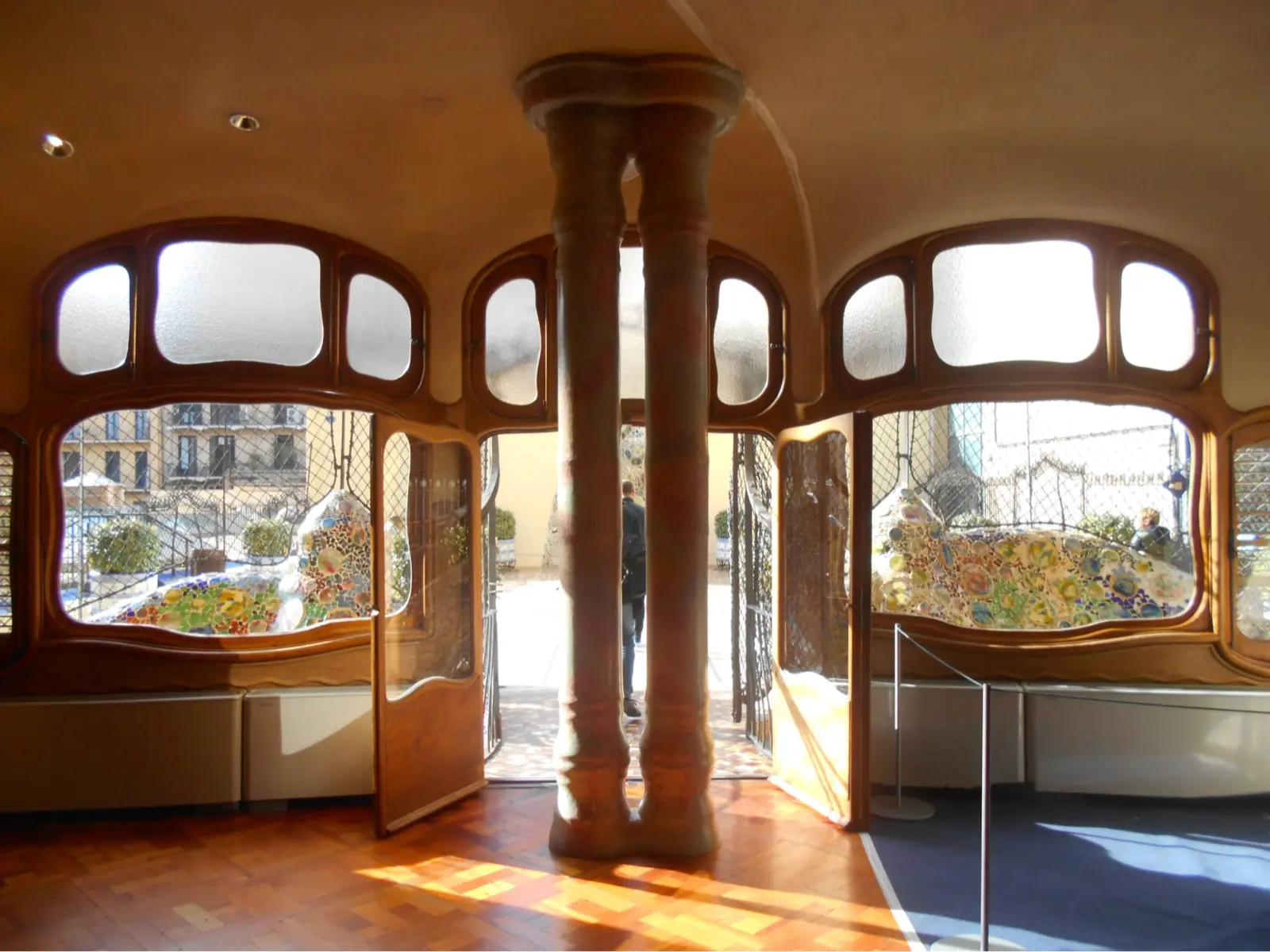
There is a column in the middle of your open-plan living room, or you are thinking of adding one. Should it carry weight, divide the space, hide pipes, or be the first thing a guest notices? This guide covers interior columns for homes: the 5 classical types, the 3 parts of a column, the 5 most common materials, how a column is installed, and how to use one in an apartment.
Types of architectural columns: which order is which?
Most column designs in modern architecture come from 5 classical types, called the 5 orders of architecture. The first three are Greek. The last two are Roman.
- Doric – short, faceted and heavy, with a simple round capital. The shaft is flat or fluted. The first Doric columns had no base.
- Ionic – the thinnest of the five, usually fluted but sometimes plain. Ionic columns have large bases, are the tallest of the five, and carry two opposed scrolls at the top.
- Corinthian – the latest Greek order and the most elaborate, often decorated with scrolls, flowers and leaves. The fluted shaft is similar to the Ionic one.
- Tuscan – simple like the Doric, but slim and austere, with no carving or ornament. It looks strong because it is plain.
- Composite – the two Greek designs in one column: the scrolls of the Ionic and the leaves of the Corinthian.
Each order has its own look. With the right interior around it, a column adds a classic touch. With the wrong one, it looks borrowed from another building.
What are decorative columns made of?
Today, almost any material that can be shaped and finished: stone, concrete, metal, brick or wood. The choice is wide because a modern column often carries no load at all.
In Greek and Roman times, columns were made only of hard natural materials, such as marble, granite and other stone. These carried loads well, but they were extremely heavy and expensive, and their hardness made them difficult to work. In a modern home, a column does not have to be functional: many architects add one purely for decoration. That leaves fewer limits on the material.
Before you choose, look at the 3 parts of a column. Each part asks something different of the material:
- Base – carries most of the weight, so it is wider and bulkier than the rest. Choose its material for how well it withstands pressure, not for its looks.
- Trunk – the shaft, which makes up most of the column. Its material balances load and design.
- Capital – the top, where the most elaborate decoration sits. Choose a material that is easy to work.
The 5 most common materials for interior columns:
- Natural stone – rarely used today because of its cost and the complexity of the work. In a luxurious home, it makes a strong statement.
- Concrete – reinforced concrete is versatile and affordable. It adapts to the shapes of almost any interior, and a final finishing layer gives it any design and colour.
- Metal – simple to design, easy to paint and reasonably cheap. One of the most practical options for a modern interior.
- Brick – the shape is limited, but a brick column blends into an interior built of the same material. Plaster and paint make it more adaptable.
- Wood – not always as strong as the others, but it has a warm, natural look and is easy to carve into intricate patterns.
Are decorative columns load bearing?
Not always. A column added indoors for decoration usually carries no load, while a column outside the house usually does.
Indoors, a floor-to-ceiling column changes how a room feels. In a large room, it works as a zoning tool: it divides one open space into areas for different activities. This also makes the décor easier to plan, because you furnish several small areas instead of one large one. With affordable materials that are easy to shape, a column adds a classic detail without a large budget.
External columns are usually less decorative and more important for the structure. That is why they are wider and more substantial. They often add a dramatic touch to the front of the house, especially the driveway and the porch. Modern materials can carry significant loads and still stay affordable.

Installing an interior column
Columns, inside or outside, are far easier to install today than before: they are lighter and come in segments. In most cases, the installers work in this order:
- Align the base and the capital vertically with a plumb line, at the point where the column will stand.
- Adjust the column for the final fit. This is simple for a plain column; a column with decorative elements needs extra care.
- Attach the column to a structural element with mounting plates, then fasten it at the top and the bottom with L-brackets.
- Apply caulk to protect the column against moisture and pests.
A purely decorative column is even easier: galvanized drywall screws and construction-grade adhesive attach it to the building. In either case, a team of two can install one column in half a day.
What to do with a column in the middle of a room?
Put it to work. A column in the middle of a room can zone the space, hide what you do not want to see, hold a TV, or become the focal point.
- Zone – split a large interior into areas, as described above.
- Cover – hide an unsightly part of the room, for example pipes and cables.
- Mount – use a wide column as a small wall for a TV or artwork.
- Focus – make a column with intricate detail the centre of attention.
Common mistake: deciding on a column from a photo of someone else's room. A column is hard to move once it is in, so check its position and width on your own plan first.
Try a column on your own plan
A column is easier to judge in your own room than in a picture. Measure your space in Home Planner, draw a 2D/3D floor plan, and add a column from the Columns section of the catalog to see how it divides the room. Then decorate and furnish the room with products from well-known brands, create a realistic visualization, or start from a ready-made layout for a bedroom, bathroom or living room.
Try it on your own project
Free room planner and interior design app