Retro Interior Design: 1960s and 70s Style at Home

Curves, chrome, bright colors and bold textures from the 1960s and '70s, and how to bring them into a home today without a big budget.
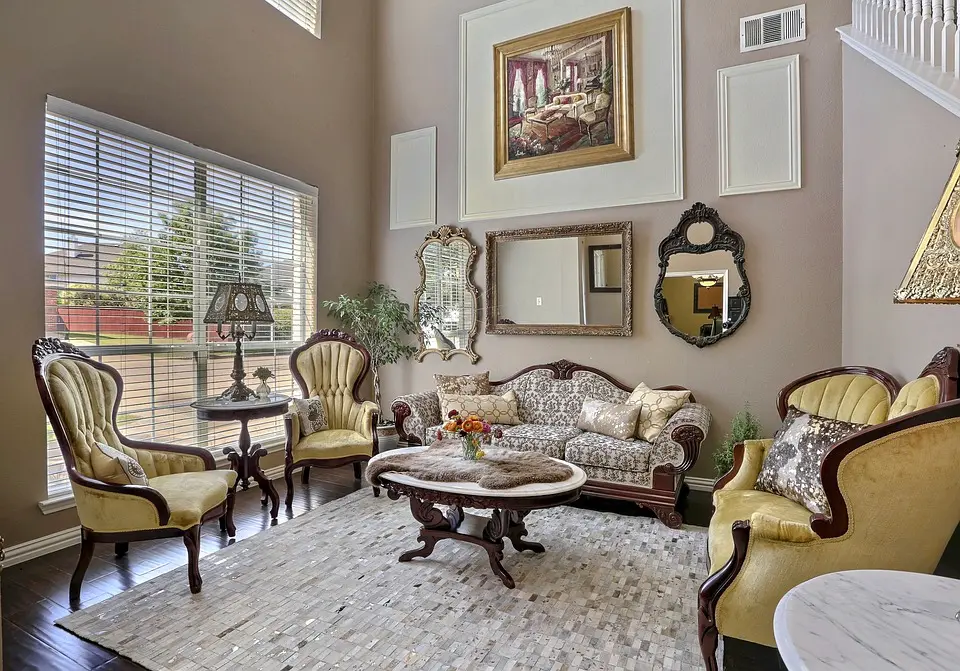
You bought a mustard-yellow armchair at a flea market, and now the rest of the room looks too quiet around it. That is often how people find retro interior design: the shapes, colors and textures of the 1960s and '70s, used in a home today. Below you will find why the style is back, how to recognize it, how to use its colors on a small budget, and which accessories finish the look.
What is retro interior design?
It is a style built on the designs of the 1960s and '70s: soft curves, chrome, bright colors and rich textures. Today it is popular again, for three reasons: nostalgia, quality and restraint.
Nostalgia. Nostalgia is a strong emotion, and it shows in every area of art and design. Every generation looks back. Gen X collected relics and mementos of the 1940s and 1950s. Today millennials are the generation drawn to retro rooms.
Quality. Many people see the '60s and '70s as the last era of high-quality production. By the '80s, mass production, much of it in China, had taken over the world. International companies had to rethink their design and quality, mass consumerism arrived, and the quality of everyday purchases dropped.
Things from the middle of the last century were designed to last for decades, and many young people admire how well they are built. This matters more now that more people see the damage our habits do to the planet. A sturdy item from that time is proof that we can make things better if we choose to.
Restraint. Compared with the loud, punk-influenced 1980s, retro style is more elegant. Even retro-futuristic design, which can be strange in concept, is much closer to modern styles than the decade that followed. This is why retro and modern pieces sit well together in one room.
What are the characteristics of retro interior design?
Soft curves, futuristic seating, chrome next to wood and fabric, bright colors and heavy textures. Within these features, the style is very broad.
It grew at a time when mass production was gaining speed. Ideas from many people in many places came together into one style that is unified but lively. The wars had just ended, and the hope and optimism of those years show in the designs. The range goes from the quiet elegance of the Mad Men era to the psychedelic fun of Austin Powers.
- Shapes. Look for soft curves and angled lines. Futuristic touches appear too, for example in space-age chairs and other seating.
- Materials. Glossy metal and chrome sit next to soft fabrics and warm wood. A classic example: fabric cushions on a wooden sofa frame with wooden or chrome legs.
- Colors. Cherry red, mustard yellow, saffron orange and avocado green, often in swirling patterns that recall psychedelic art.
- Textures. Shag rugs, three-dimensional artwork and wallpaper with raised patterns are a large part of the style.
The colors set retro apart from two neighbors. The postwar years before it were calm and quiet, and the 1980s after it were full of neon noise. The '70s found the line between the two: playful, but not chaotic.
How does retro modern interior design use color?
It places bright blocks of color on a black-and-white base. The bright colors can work alone, but the contrast with a monochrome background makes them more interesting to look at.
Big blocks of color can also divide one room into smaller zones. Add texture to those blocks, and the number of combinations has almost no limit. Three simple ways to get the effect:
- A black or white floor under a carpet with bright colors and shapes.
- Monochrome walls, so that even ordinary furniture in interesting fabrics stands out.
- Posters or framed art arranged in a geometric pattern on one wall.
Common mistake: bright color on every surface. Keep the walls and the floor calm, and let the color sit on the carpet, the fabrics and the art.
Retro on a small budget
A retro room does not have to be expensive or luxurious. Most of the look comes from paint, fabric and pattern.
- Skip the paint job. If you do not want to spend a lot on painting a wall, cover it with a series of artworks in complementary colors.
- Repaint small items. Fittings, cabinets and plastic furniture look at home in a retro room once you repaint them in block colors.
- Restore plain wooden chairs. A couple of coats of paint and a topcoat of lacquer are enough.
- Cover hard-to-clean floors. A carpet with geometric shapes or blocks of color hides indoor and outdoor floors that need too much maintenance.
- Choose chintz curtains. Retro curtains are almost always chintz: a light, plain background with a pattern, most often floral.
Which retro home decor ideas finish the room?
Start with plants and statues, then add model vehicles in a glass showcase and lamps with fringe. Without accessories, a retro room looks unfinished.
Plants. Put greenery on windows and windowsills. Flowers can take the middle of the dining table, or stand in open vases on shelves in any room.
Statues. Where plants are not practical or not wanted, use statues and statuettes. Any material works. The trade-off: pieces that look very old or antique clash with a retro room, so choose ones that look mid-century, not museum.
Models. Plastic figurines and model vehicles, especially military and racing ones, were a big trend of the era. Show them in a glass showcase in the living room, with models from that time or from the mid-century.
Lamps. Put lamps on corner and side tables. Retro lamps often have hanging fringe. Cannot find one? Buy a cheap lamp and add the fringe yourself.
Try retro on your own plan
If you did not grow up in the '60s or '70s, it is hard to know which pieces belong to the style. Seeing them in your own room helps. Home Planner lets you design a home in any style, and it is free to start.
Measure your space and create 2D and 3D floor plans. Decorate and furnish the room with products from furniture brands, create visualizations of the result, and start from ready-made layouts for a bedroom, bathroom or living room. Then try the mustard armchair against white walls before you buy a single can of paint.
Try it on your own project
Free room planner and interior design app