Ceiling Design Ideas: 5 Materials and What Suits Each Room

Five ceiling materials compared, what suits the bedroom, kitchen and living room, and which finish you can do yourself.
You are renovating an apartment or a house, and the ceiling is the one surface nobody can hide with furniture. Decide on it first. A good ceiling ties the walls, windows, furniture and floor into one room. A poor one makes every other choice harder. These ceiling design ideas start with what to look for, then compare materials and go room by room.
How do you choose a ceiling design?
Start with five things: the size of the room, the style and colours you want, which materials you can get, the type of lighting, and the cost of the work. Settle those, and the list of good options gets short.
The choice of materials is wide today. Ceilings are made of plasterboard, brick and polystyrene foam boards, lined with wooden boards, or covered with ordinary wallpaper. An exposed ceiling, with the pipes and cables left in view, is in fashion too. It is neither simple nor cheap.
If you plan to do the work yourself, choose by what you can actually do. Paint and wallpaper are the usual answer.
Small rooms: in a small house or a tight apartment, room size comes first. A flat, light ceiling without decor is often the wise choice. Why it works: the room feels bigger and the light fittings do their job. The bonus: less labour to pay for.
Which type of ceiling is best for your home?
There is no single best type. It depends on the room, your budget and whether you will install it yourself. Some materials cost too much, and some do not belong in a home at all. Here are the five main options, with what each gives you and what it costs you.
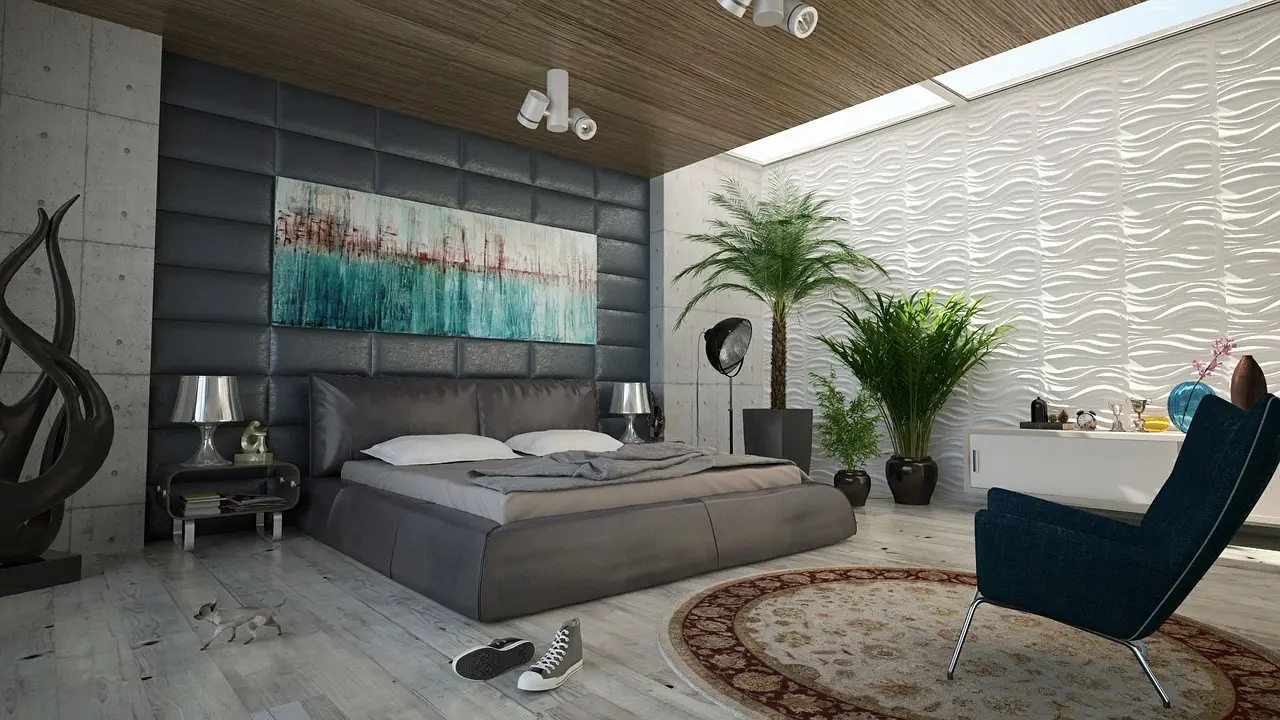
Stretch ceiling
A PVC film stretched under the old ceiling. It is quick and easy to install, and it looks neat. A glossy film reflects the room like a mirror, which helps a tiny room look larger. The film comes in many colours and patterns, including plant motifs. The trade-off: you need professionals to install it.
Photo wallpaper
Fast, clean and possible without special skills or outside help. The catch is the preparation. You must level the ceiling first, because wallpaper shows every bump. Standard photo wallpaper is a poor fit for bathrooms and kitchens, but there are versions made for rooms with high humidity.
Expanded polystyrene boards
They look good, they are easy to put up, and they hide electrical wires and other services securely. The trade-off: cutting and fitting the boards neatly takes some skill.
Drywall
The fix for a problem surface. Drywall hides bumps and uneven spots, and it gives you the widest range of ways to decorate.
Plastic panels
Cheap and simple to fit, but hard to call beautiful or modern. You will rarely see them in a living room. They turn up in hallways, bathrooms and toilets.
And whitewash? It is very cheap, durable, environmentally friendly and simple. Few people use it today, although it has only one real drawback: it makes a mess of the floor and walls while you work.
Which ceiling design ideas work for a bedroom?
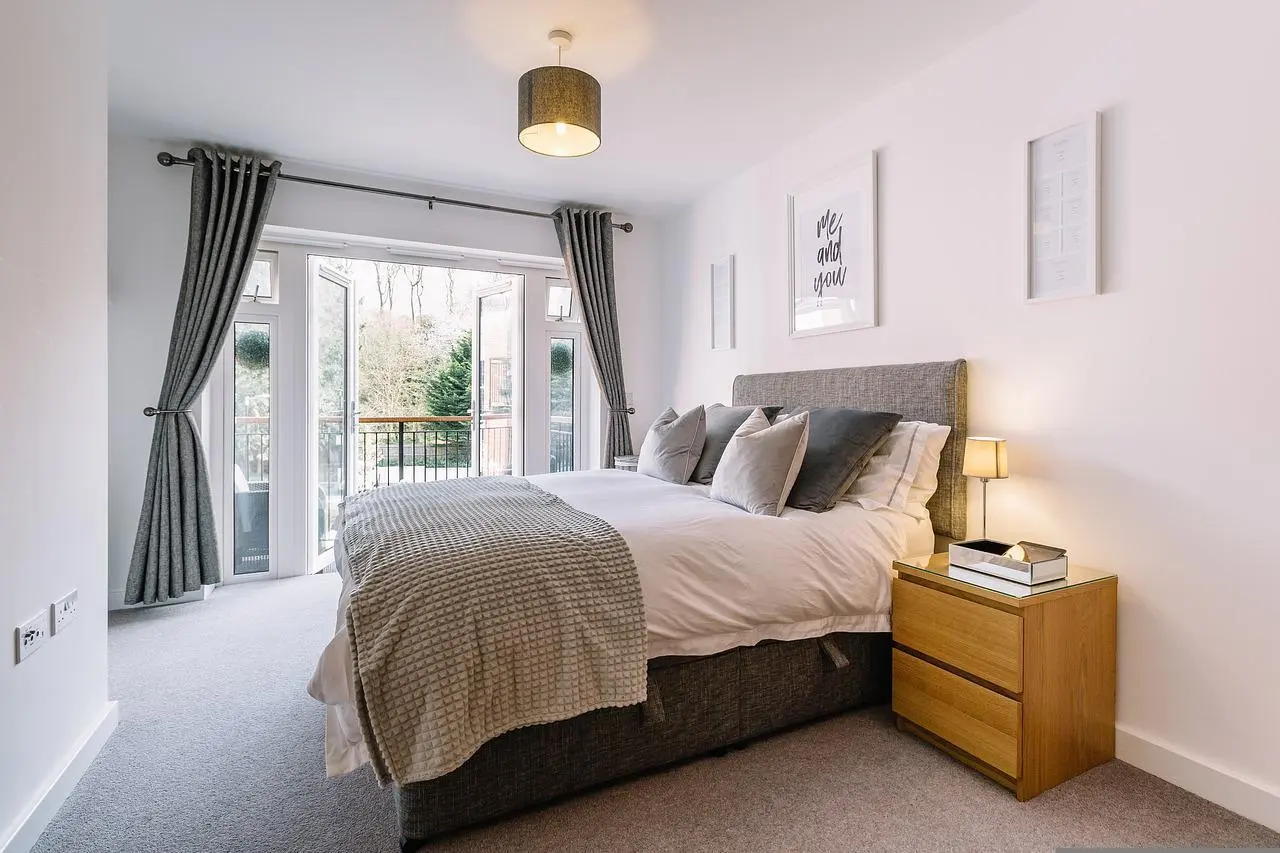
Calm ones. Choose environmentally friendly materials and a restrained palette. Bedroom ceilings are rarely unusual, and that is fine. The usual choice is a one-level stretch ceiling or drywall. Bright wallpaper and modern types of whitewash also work well.
For a room that feels comfortable, make the ceiling match the rest of the bedroom. The easiest way: use related shades of one colour, and plan where the light fitting goes.
Designers advise against a bedroom ceiling that takes up space or looks strange and complicated. That rules out most three-dimensional compositions, multi-level decor and coffered ceilings. Very dark and acid colours are also unwelcome, with one exception. A dark ceiling can look very good as photo wallpaper or as a glossy stretch ceiling.
What ceiling design ideas suit a kitchen?
Ones that are easy to clean. The kitchen ceiling has the hardest life in the home. Grease splashes on it, water gets on it, and stains appear. Bright kitchen lighting then makes every flaw easy to see.
An original, modern ceiling is still possible in a kitchen, but wallpaper is a poor choice. Suspended ceilings are popular because they cope with:
- grease and dirt;
- steam;
- changes in temperature;
- high humidity.
For a kitchen, choose a stretch ceiling, expanded polystyrene boards, wood or aluminium.
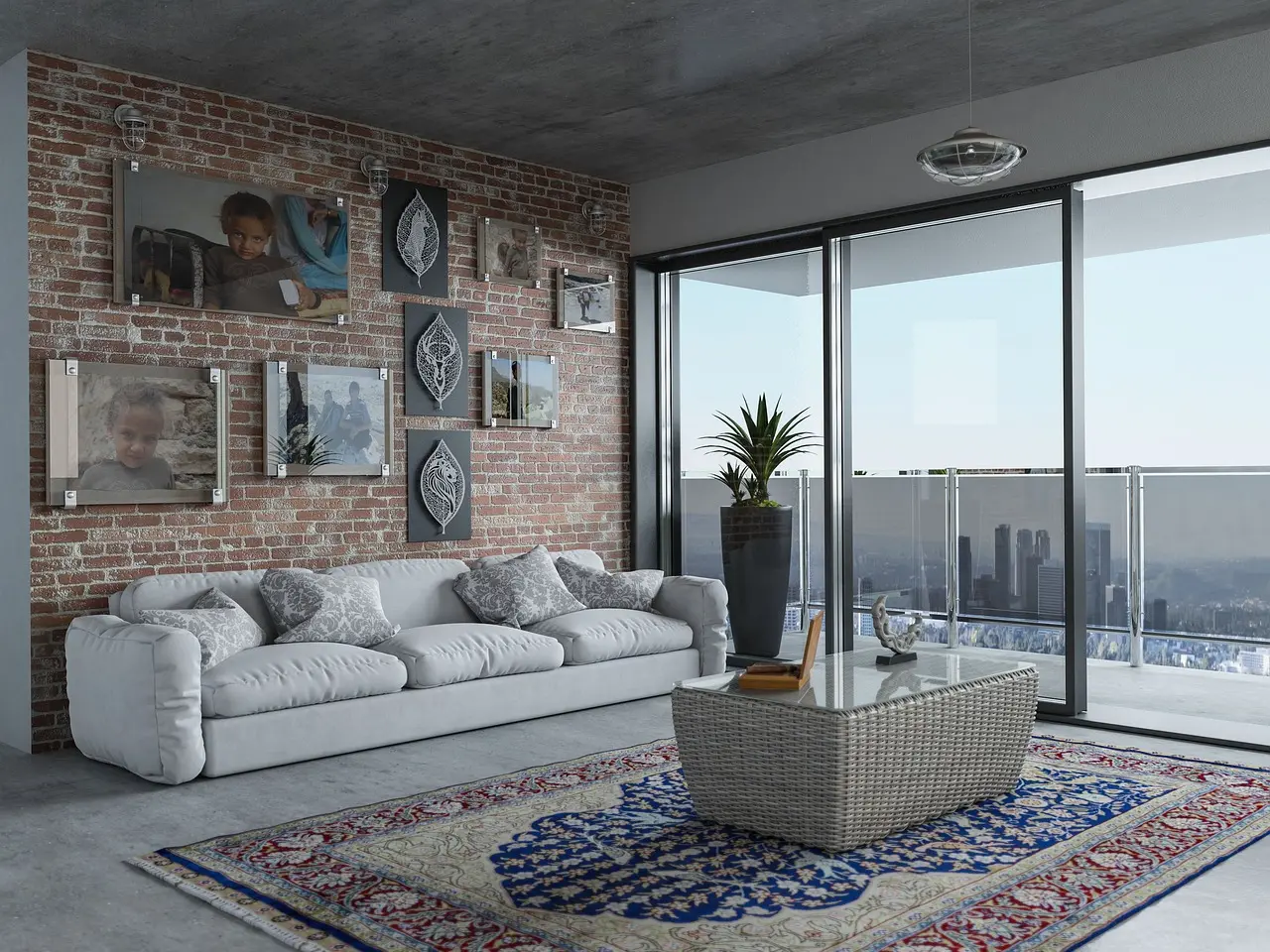
Ceiling design ideas for a living room: how far can you go?
As far as the room's style allows. The living room is where a ceiling can make a statement, but it must follow the general style. Any material that fits the concept works: bright or pastel shades, wood and metal, refined decor, or plain whitewash.
If the room is large enough, you can go further. Build a multi-level ceiling with mirror, wood, metal or fabric elements. A change of level can also divide the room into zones, for example a sitting area and a dining area. The one rule is to stay with the style you chose.
Bathrooms and hallways: keep it simple
Here a simple, practical finish is the right call. Guests rarely look up in a corridor, so simple white wallpaper is often all you need there.
The bathroom is different. Everyone in the home uses it, so the ceiling should suit all of them. Match it to the walls, the colour of the fixtures and the furniture.
Photo wallpaper: the ceiling you can do yourself
If you do the work yourself, your realistic options are paint, whitewash and wallpaper. A stretch ceiling needs professionals, and boards need some skill. Almost anyone can hang wallpaper.
Photo wallpaper also gives you the widest choice of images:
- a seascape;
- city streets;
- nature in different seasons;
- a starry sky;
- outer space;
- a garden in flower;
- and more.
Choose an image that makes the room feel more open and works with your lighting. Photo wallpaper with a 3D effect adds depth, so a tight room seems to have no edges. Check the effect on your own room before you buy it, because a sky that looks calm in a shop can feel heavy over a bed.
Try your ceiling before you buy the material
A ceiling is hard to judge from a sample. In Home Planner, measure your space and draw your rooms in 2D and 3D. Select the ceiling, apply a material or a colour, and add ceiling lights or beams. Then furnish the room with items from well-known brands, see it as a realistic image, or start from a ready-made layout for a bedroom, bathroom or living room. Try two ceilings on the same plan and keep the one that works.
Try it on your own project
Free room planner and interior design app